The Future of Urban Mobility: How Backpack Design Adapts to New Transport Methods, Density, and Sustainable Material Innovation
The rapid transformation of urban centers—marked by the rise of electric scooters, hyper-dense transit systems, bike-sharing programs, and the continuous push for sustainability—is fundamentally reshaping the demands placed upon personal gear. The versatile daypack, as the singular tool for navigating this complex, multi-modal environment, must evolve beyond simple functionality. It is becoming a piece of adaptive technology, utilizing advanced materials and dynamic forms to meet the challenges of speed, space constraints, and environmental responsibility. This deep analysis explores the critical design adaptations necessary for the backpack to remain the essential gear for the future of urban mobility.
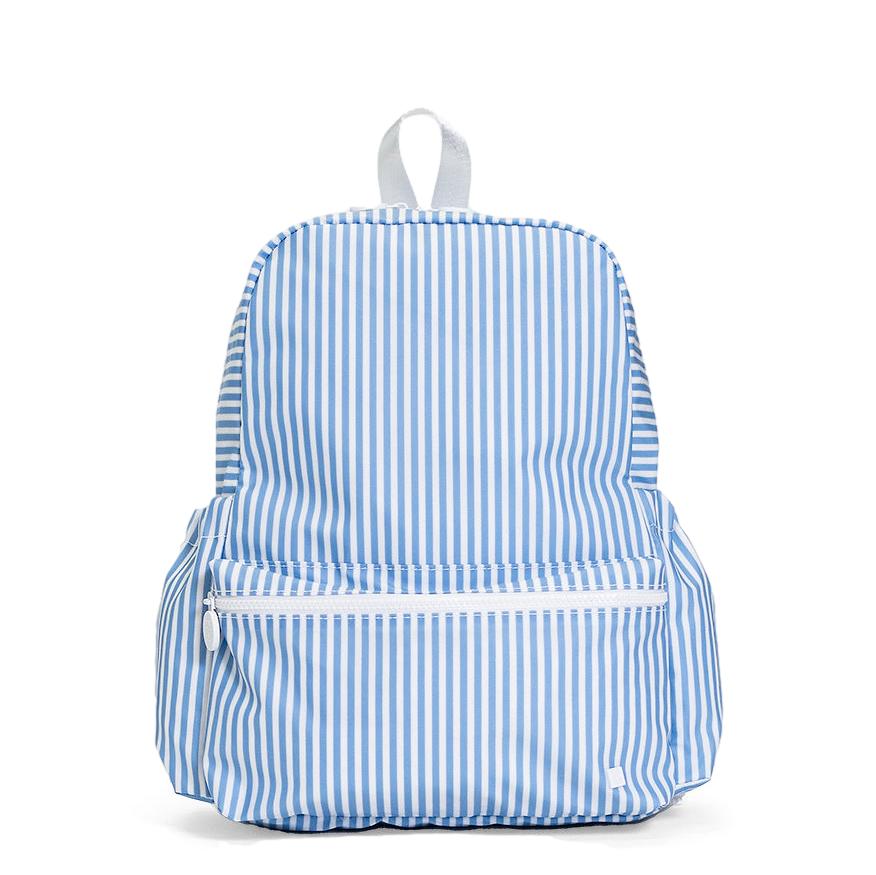
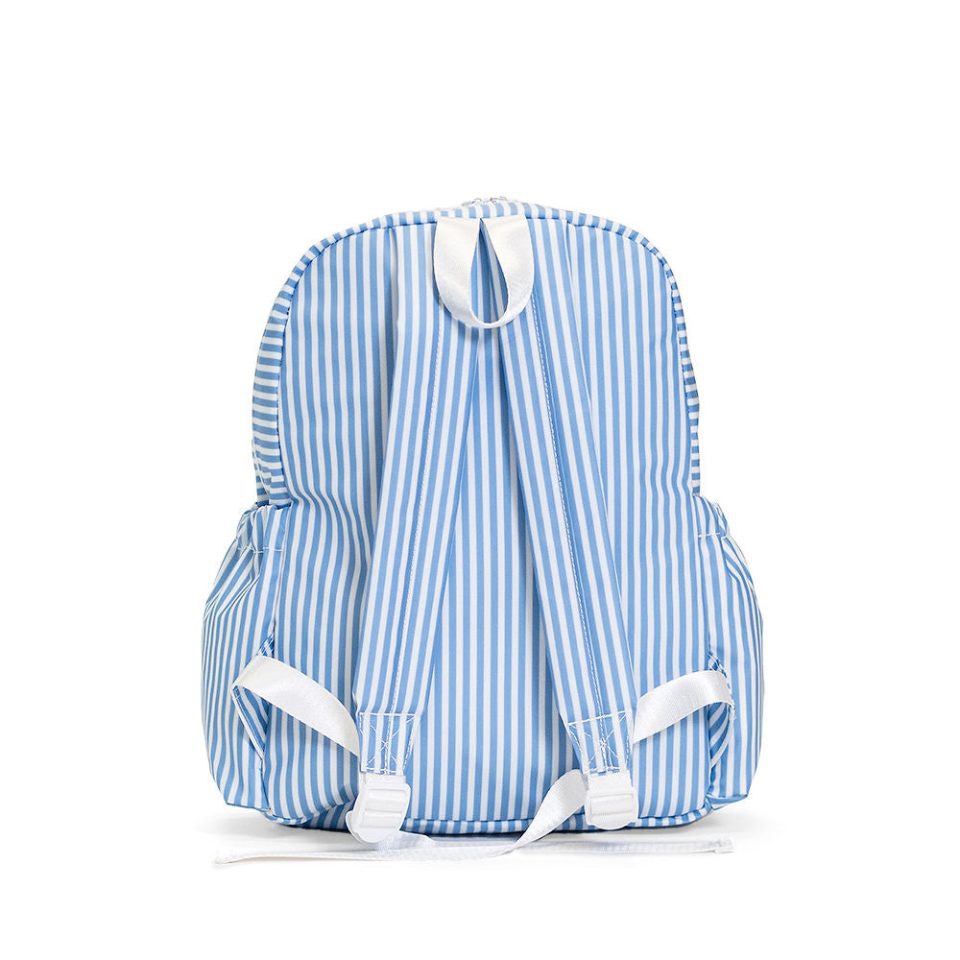
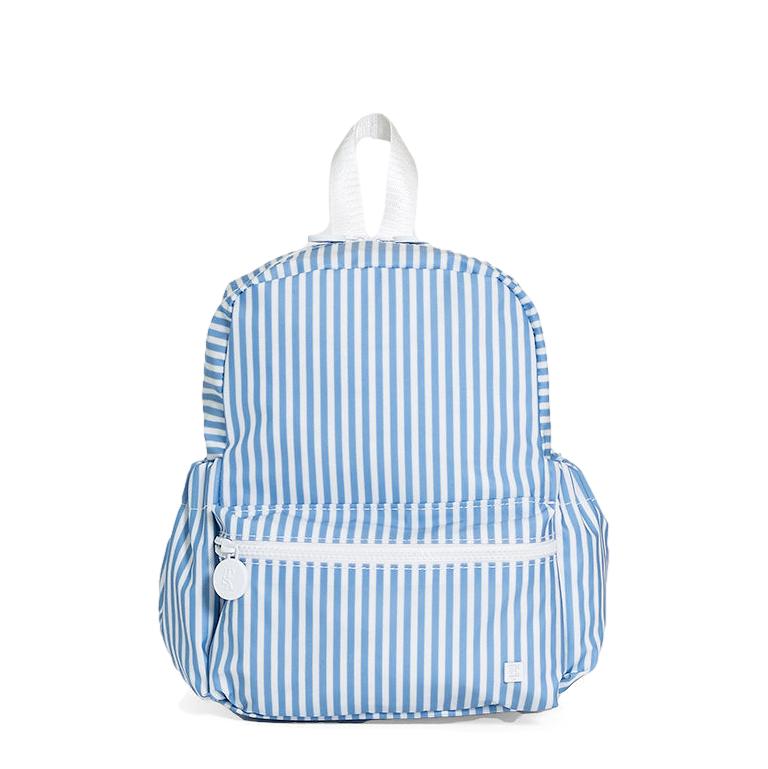
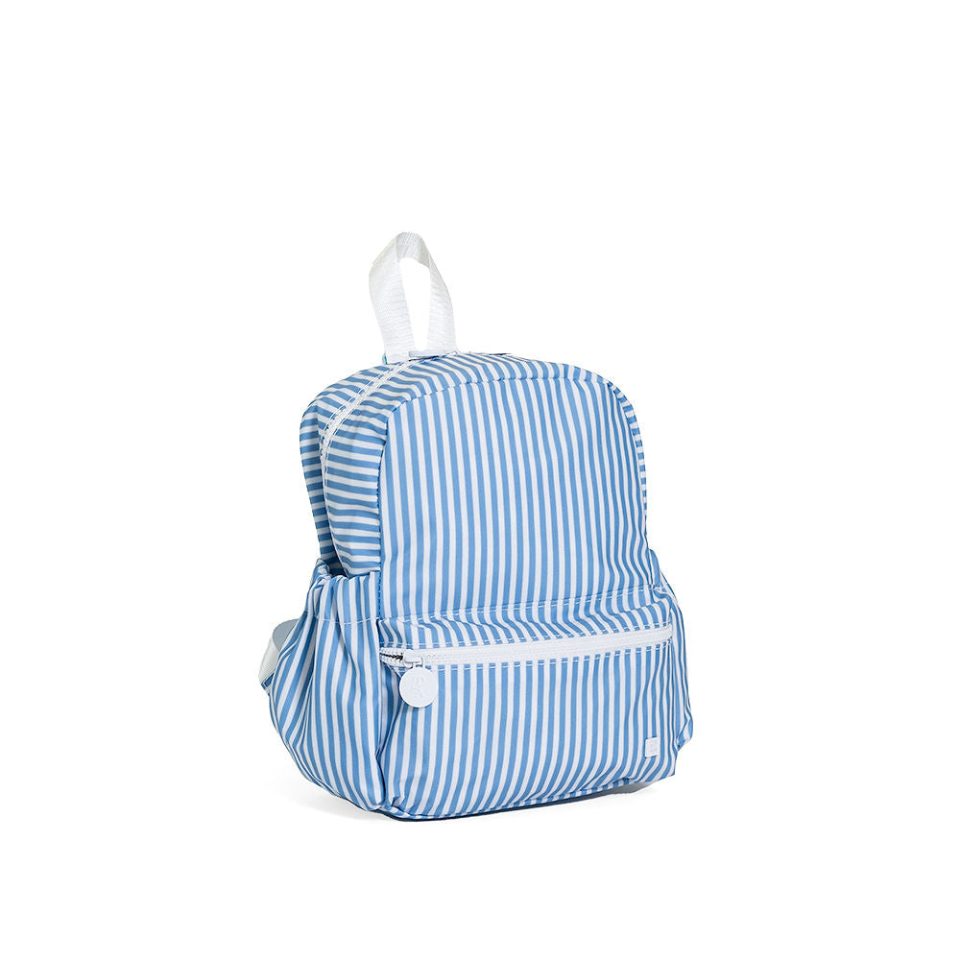
One of the primary forces driving future design is hyper-density and space constraint. As urban transit becomes more crowded and multi-layered, the bag must minimize its physical footprint. The trend is moving toward sleeker, taller, and narrower profiles that are less likely to snag or impede movement in tight spaces, such as crowded subway cars or narrow bus aisles. The bag must be designed to be placed flat against the back, reducing its overall volume projection. Furthermore, the pack must incorporate dynamic securing features. These include reinforced external loops or handles that allow the bag to be quickly hung on the back of a shared e-scooter or securely lashed onto a bike rack, ensuring stability during rapid transit and preventing accidental loss in high-motion environments.
The second major area of adaptation is material innovation centered on sustainability and safety. The future of urban mobility demands that gear not only be durable but also ethically sourced. This involves a shift towards recycled or bio-based synthetic fabrics (like polyester derived from recycled plastics) that maintain the necessary strength and water-resistant properties. Furthermore, active safety features are becoming integrated. Since many commuters now use bikes or scooters in low-light conditions, future packs will likely feature subtle, integrated reflective strips or patches built directly into the fabric, enhancing the wearer’s visibility without compromising the sleek, professional aesthetic during the day. This passive safety feature is a necessary response to the increased speed and volume of personal transit in cities.
The pack must also adapt to the new hierarchy of digital security and access. With contactless payments and biometric security becoming standard, the pack needs to evolve its quick-access functionality. This means dedicated pockets with enhanced security (like RFID blocking) that are located ergonomically for quick scans—allowing the user to simply tap their bag against a reader for transit access without removing the card. The protection of the electronic core remains paramount, requiring continuous innovation in lightweight, shock-absorbing padding to protect laptops and tablets from the increased vibration and impact associated with faster, two-wheeled urban transport.
The philosophy of “load independence” is also defining future mobility design. The pack must feel light and unburdening, even when fully loaded. This is achieved through continuous refinement of ergonomic geometry, focusing on lightweight base materials and advanced padding that utilizes air channels to reduce heat buildup. When using high-speed transport like e-bikes, a hot, heavy pack can significantly reduce rider comfort and performance. Therefore, future designs prioritize maximum ventilation and minimal structural weight, ensuring the load is carried with the least amount of thermal and physical friction.
In essence, the future-forward daypack is an adaptive wearable technology. Its design is a direct response to the pressures of urban density, the imperative of environmental responsibility, and the high-speed requirements of new transport methods. By adopting sustainable materials, integrating passive safety features, and refining the ergonomics for dynamic movement, the versatile pack will continue to be the essential tool that enables individuals to navigate the complex, rapidly evolving landscape of the modern city with efficiency, safety, and a commitment to a sustainable future.